

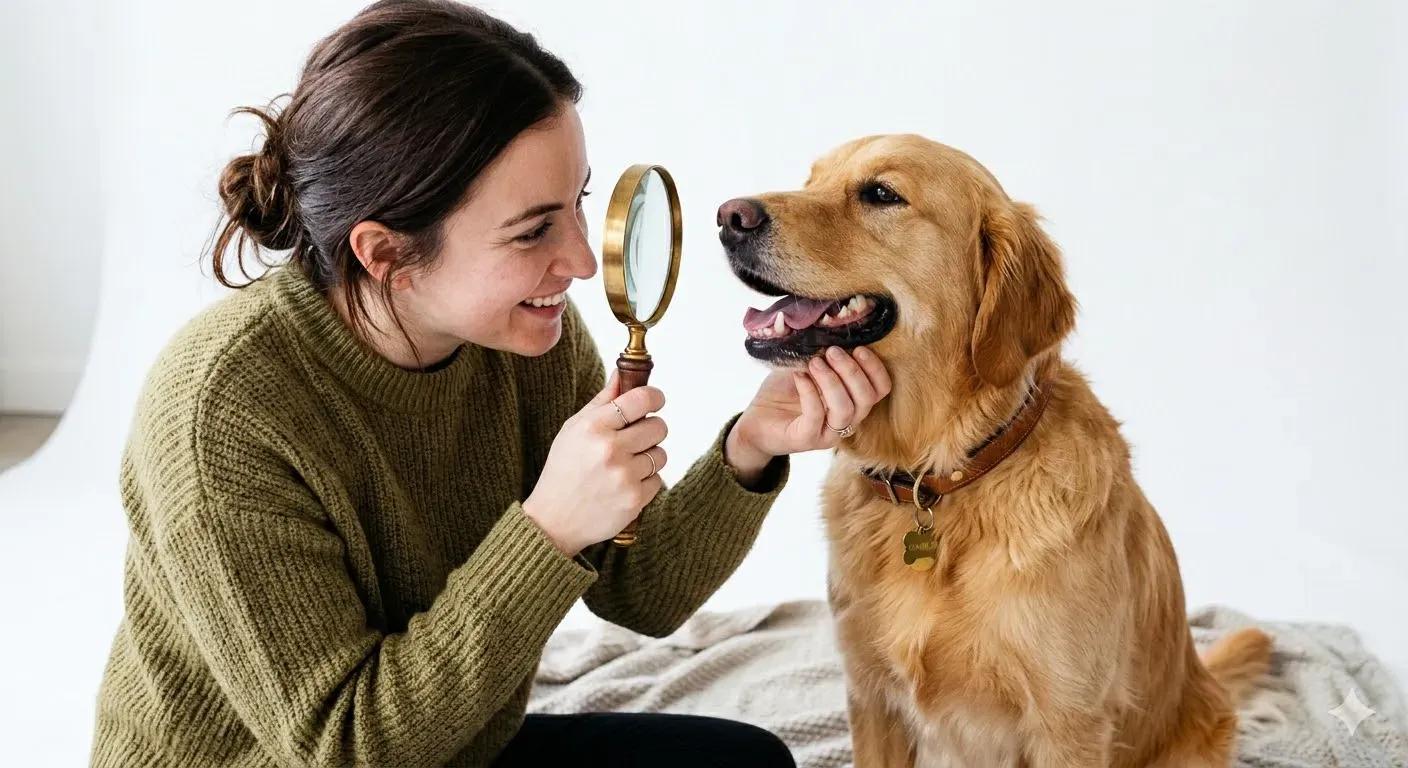
Keeping your pup's teeth white and breath fresh with natural, safe methods
Have you ever had a moment like this:
When your dog happily jumps at you and “smiles” with its mouth open, are you put off by those yellow teeth and bad breath?
Many people believe this is just a “normal dog behavior”. But the truth is — Yellowing teeth are often the first sign of deteriorating oral health.
More importantly, the issues extend beyond mere “ugliness” and “bad breath”. Long-term neglect of oral care can lead to gum inflammation, periodontal disease, and even affect vital organs such as the heart and liver.
The good news is:
You don’t need expensive dental cleaning procedures or complicated care routines. With the right method, you can safely and naturally help your dog restore clean, bright teeth at home.
Is Yellowing of Dog Teeth a Health Alert
Dogs’ “big yellow teeth” are often not just a cosmetic issue, they are a visual signal of oral bacterial colonization
Dental plaque vs. tartar: which can be self treated?
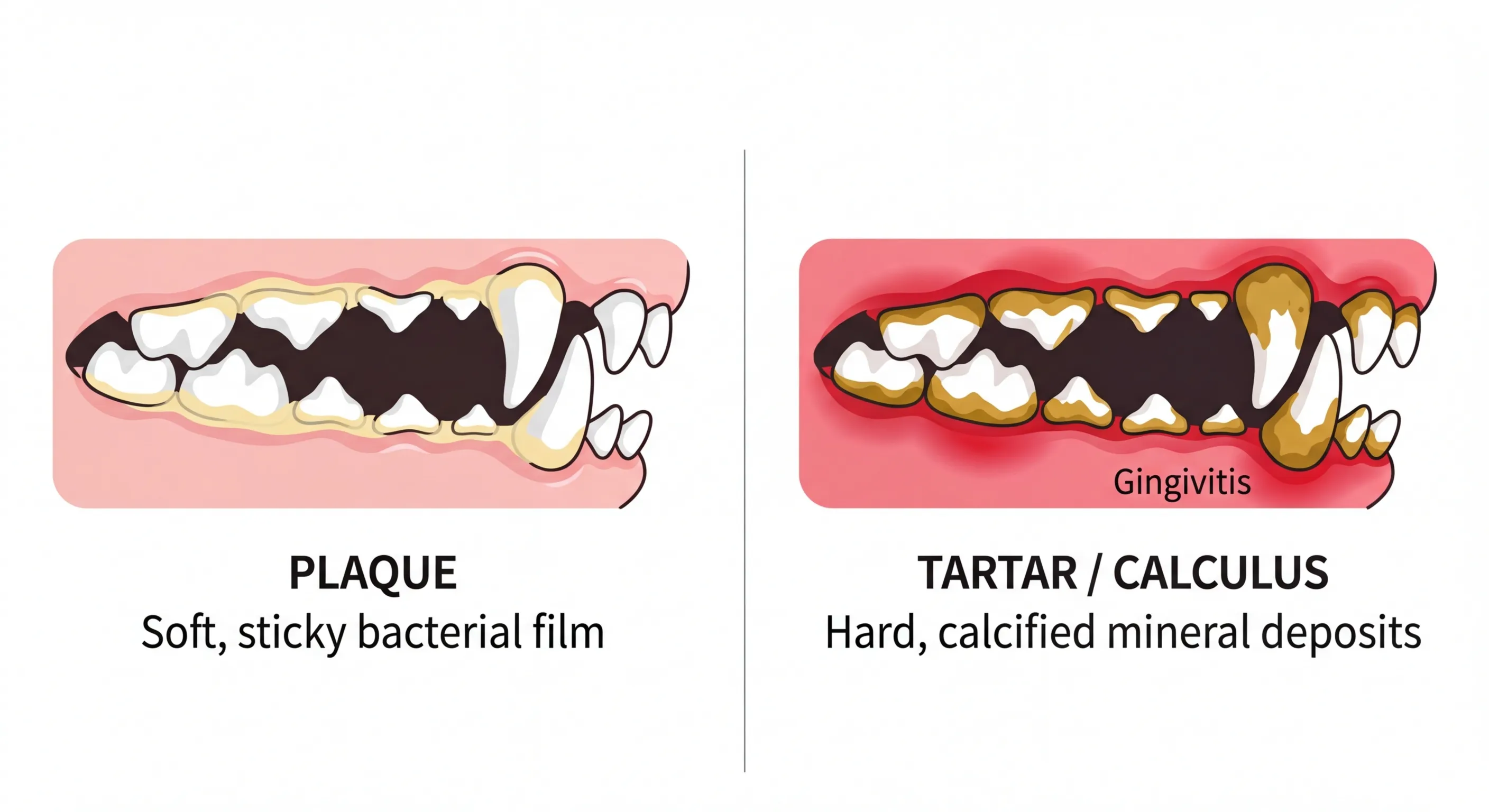
Dental plaque
A soft layer, initially formed in a light yellow color
It can be removed by brushing teeth, chewing, and cleaning products
Dental calculus
After hardening, it turns dark yellow or even brown
Cannot be removed at home, must be handled by a veterinarian
The benefits of white teeth
Teeth cleaning is not only a matter of aesthetics, but also related to overall health:
Preventing gingivitis and periodontal disease
Reduce the risk of bacteria entering the bloodstream
Studies have shown that oral bacteria may affect the heart, liver, and kidneys
In other words, whitening a dog’s teeth is essentially extending its lifespan.
5 Steps to Home Whitening: Give Your Dog Big White Teeth
Step 1: Correct Brushing Posture
Brushing teeth is still the most effective method, there is no one.
✔ How to choose natural enzyme toothpaste
Selection criteria:
Enzyme-containing components (decomposing dental plaque)
Fluorine-free, xylitol-free (safe to swallow)
Has a meaty taste (chicken/beef is more easily accepted)
✔ How to make dogs accept brushing their teeth
1. Let the dog lick the toothpaste first (to establish a good impression)
2. Gently rub your teeth with your fingers
3. Change finger cots and toothbrush
4. Use a toothbrush
Control within 30 seconds to 1 minute each time, gradually increasing
Step 2: Natural Vegetable Eating
Some foods can help clean teeth through physical friction.
✔ Recommended foods:
Raw carrot
Apple slices
Celery
Principle: High fiber=Natural brush
⚠ Caution: Controversy over raw bones
Advantages: Helps to remove dental plaque
Risk: Too hard → may cause tooth breakage
Safety advice:
Choose raw bone (not mature bone)
Avoid super hard bones such as cow bones
Small dogs should be used with caution
Step 3: Whitening Artifacts in the Kitchen (Natural DIY)
Don’t have the right pet products on hand? Let’s use everyday household items to make safe and effective cleaning tools for your dog.
✔ Coconut oil
Function:
Antibacterial properties
Reduce bad breath
Gentle stain removal
Usage: Apply a small amount to teeth or mix with food
✔ Baking soda
Function: Remove stubborn tooth stains
Usage:
Mix 1 small handful with water to make a paste
Up to once per week
⚠ Caution: Excessive use can damage tooth enamel!
✔ Apple cider vinegar
Function:
Antibacterial effect
Mild softening of dental plaque
Usage: Dilute 1:20 and add to drinking water
⚠ Caution: Do not use the original solution directly. Dogs with sensitive stomachs should use it with caution
Step 4: Lazy Plan — Teeth Cleaning Product Combination
If you don't have time to brush your teeth, you can use “passive cleaning”.
✔ Water additive
Add to drinking water
Continuously inhibit bacteria
Reduce the formation of dental plaque
✔ Dentifrice & Dentifrice gel
No need to brush teeth
Easy to use
Suitable for: busy owners of dogs who do not cooperate with brushing their teeth
Step 5: Weekly Oral Check
Spend 1 minute per week checking:
1.Examine the gums: They should be a light pink color; redness, swelling, paleness, and bleeding are all abnormal.
2.Smell the breath: A slight odor is normal, while a pungent, rotten smell usually indicates periodontal disease.
3.Check the teeth: Look for fractures, looseness, tartar buildup, or widening gaps between teeth.
When Should I Go See a Veterinarian
Home care can only target soft dental plaque. In the following situations, it indicates that the limit of home care has been exceeded and medical attention must be sought as soon as possible to avoid tooth loss and systemic infection.
What are the limits of home care?
If these situations occur and home whitening is ineffective, seek medical attention immediately:
The teeth are covered with hard dark brown tartar, and the gums are red and swollen with repeated bleeding;
Stinky breath, drooling, refusing to eat hard food, scratching the mouth with claws;
Gum recession, loose teeth, and enlarged gaps between teeth;
Ulcers and pustules in the oral cavity, accompanied by fever and mental exhaustion.
The necessity of professional ultrasonic teeth cleaning
Veterinarians will use ultrasonic dental cleaning machines under general anesthesia to thoroughly remove tartar and plaque and polish the tooth surfaces, the only way to remove stubborn tartar and cure periodontitis.
It is recommended that adult dogs undergo an oral examination once a year and professional teeth cleaning every 2-3 years. After the surgery, they should also receive home care to maintain healthy and bright teeth for a long time.
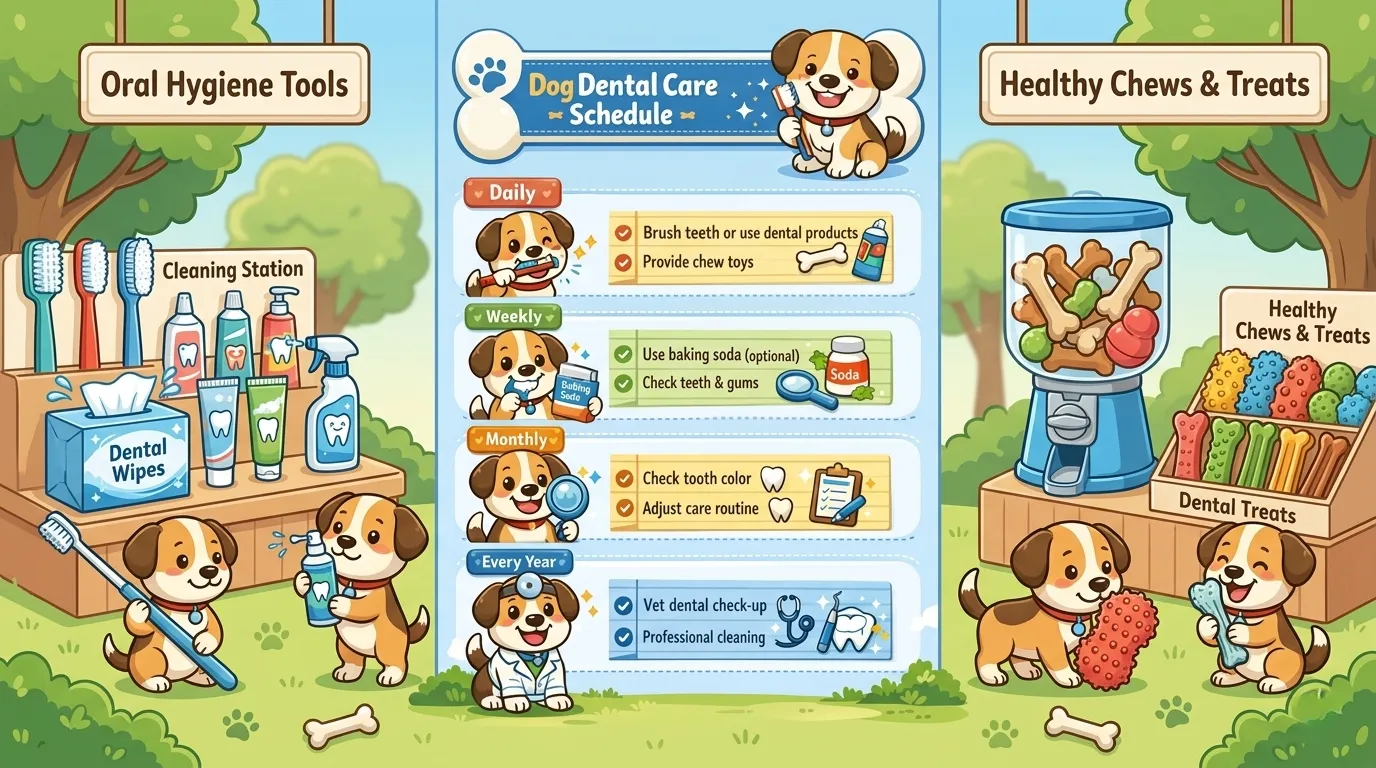
Daily rules
Developing regular care habits will give your dog bright white teeth and protect its overall health. This simple care checklist is perfect for owners:
Conclusion:
Perseverance is the best whitening agent. There is no shortcut to whitening dog teeth. Compared to expensive products and magical remedies, sticking to daily care is the most effective secret to whitening. Developing regular care habits can not only give dogs bright white teeth, but also protect their overall health.